


What Is Reiki Healing and How Does It Work?
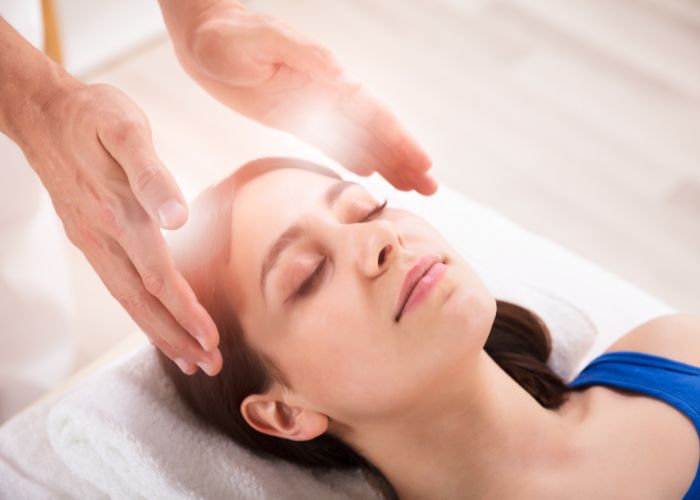
A first Reiki session can feel surprisingly simple. There are no complicated exercises, no oils and usually very little talking once the session begins. You remain fully clothed while the practitioner places their hands lightly on, or just above, different areas of your body.
Reiki began in Japan and is now used as a complementary wellness practice in many countries. Most people who explore reiki healing in Pune are looking for relaxation, emotional support or a quiet break from a demanding routine. Others are simply curious about what Reiki involves and whether there is any research behind it.
Practitioners describe Reiki as a way of supporting the flow of universal life energy. Science has not established that this energy exists or explained how it might affect health. Therefore, reiki therapy in Pune is best understood as a relaxation practice. It should not replace medical treatment, medication, counselling, physiotherapy or emergency care.
Where Did Reiki Come From?
The word Reiki combines “rei,” often translated as universal, and “ki,” meaning life energy. The modern practice is usually associated with Mikao Usui, who developed a system of Reiki in Japan during the early twentieth century.
Over time, Reiki was taught in different countries and several lineages developed. Teaching methods may vary, but most practitioners offering reiki healing in Pune use similar elements: a quiet room, a sequence of hand positions and time for the client to rest.
What Actually Happens During a Reiki Session?
The appointment normally begins with a conversation. The practitioner may ask what brought you to Reiki, whether you are comfortable with touch and if there are any areas you would prefer them to avoid.
This is also the right time to mention physical discomfort, although the discussion should not be treated as a medical diagnosis. A Reiki practitioner who is not medically qualified should not diagnose conditions or recommend changes to prescribed treatment.
During reiki therapy in Pune, you may lie on a treatment table or sit in a comfortable chair. You keep your clothes on. The practitioner then moves their hands through several positions near the head, shoulders, abdomen, knees and feet. Their hands may touch the body lightly, but only with your permission. A completely touch-free session is also possible.
Most sessions last between 30 and 60 minutes. Some people notice warmth or tingling. Others feel sleepy, deeply relaxed or simply aware of their breathing. It is equally normal to feel nothing unusual.
What Is the Thinking Behind Reiki?
Reiki is based on the traditional belief that life energy flows through the body. Practitioners believe that supporting this flow may help a person feel more balanced physically and emotionally.
That explanation has not been confirmed through scientific measurement. There are, however, ordinary features of a Reiki session that may encourage relaxation. The room is usually quiet, the client is resting, distractions are limited and the practitioner gives calm, focused attention.
These factors may help explain why some people feel settled after reiki healing in Pune, even though research has not proved the proposed energy mechanism.
Why Do People Try Reiki?
There is no single reason. Some people are interested in spiritual practices, while others simply want an hour away from work, screens and daily responsibilities.
People may consider reiki therapy in Pune for:
Research into Reiki has examined anxiety, pain and quality of life. Some studies have reported benefits, but the results are inconsistent and many studies have limitations. Current evidence does not show that Reiki can cure disease.
Anyone seeking reiki healing in Pune because of ongoing pain, anxiety, poor sleep or another health concern should speak with a qualified healthcare professional and continue any prescribed treatment.
Is Reiki a Type of Massage?
No. Massage works directly with muscles and soft tissues through pressure, stretching and movement. Reiki does not involve rubbing, kneading or oils, and clients do not need to remove their clothing.
Touch during reiki therapy in Pune is light and still rather than manipulative. If you would rather not be touched, tell the practitioner before the session. They can hold their hands a short distance above your body instead.
Choosing a Reiki Practitioner
A person may complete Reiki training, but that does not automatically make them a doctor, psychologist or physiotherapist. It is worth asking a few direct questions before booking reiki healing in Pune.
A responsible practitioner should:
You should be able to ask questions, change your mind about touch or stop the appointment whenever you wish. A professional providing reiki therapy in Pune should not pressure you to purchase multiple sessions.
Frequently Asked Questions
Research has explored Reiki for stress, pain, anxiety and general wellbeing. Results are mixed, and there is currently insufficient evidence to show that Reiki treats medical conditions or that Reiki energy can be scientifically measured.
Reiki is generally considered low risk because it does not involve invasive procedures. It should never delay medical assessment, especially when symptoms are severe, persistent or becoming worse.
Most appointments last from 30 to 60 minutes. Your first reiki therapy in Pune session may take slightly longer because the practitioner will discuss consent, expectations and your reasons for attending.
There is no required number. Some people attend once out of curiosity, while others return occasionally for relaxation. Be cautious if anyone guarantees results after a fixed package of sessions.
Yes. The practitioner can keep their hands above your body for the whole session. When arranging reiki healing in Pune, mention that you would prefer a touch-free appointment.
No. Reiki is complementary and cannot replace medication, counselling, surgery, physiotherapy or emergency treatment. An ethical provider of reiki therapy in Pune should encourage you to follow appropriate professional healthcare advice.